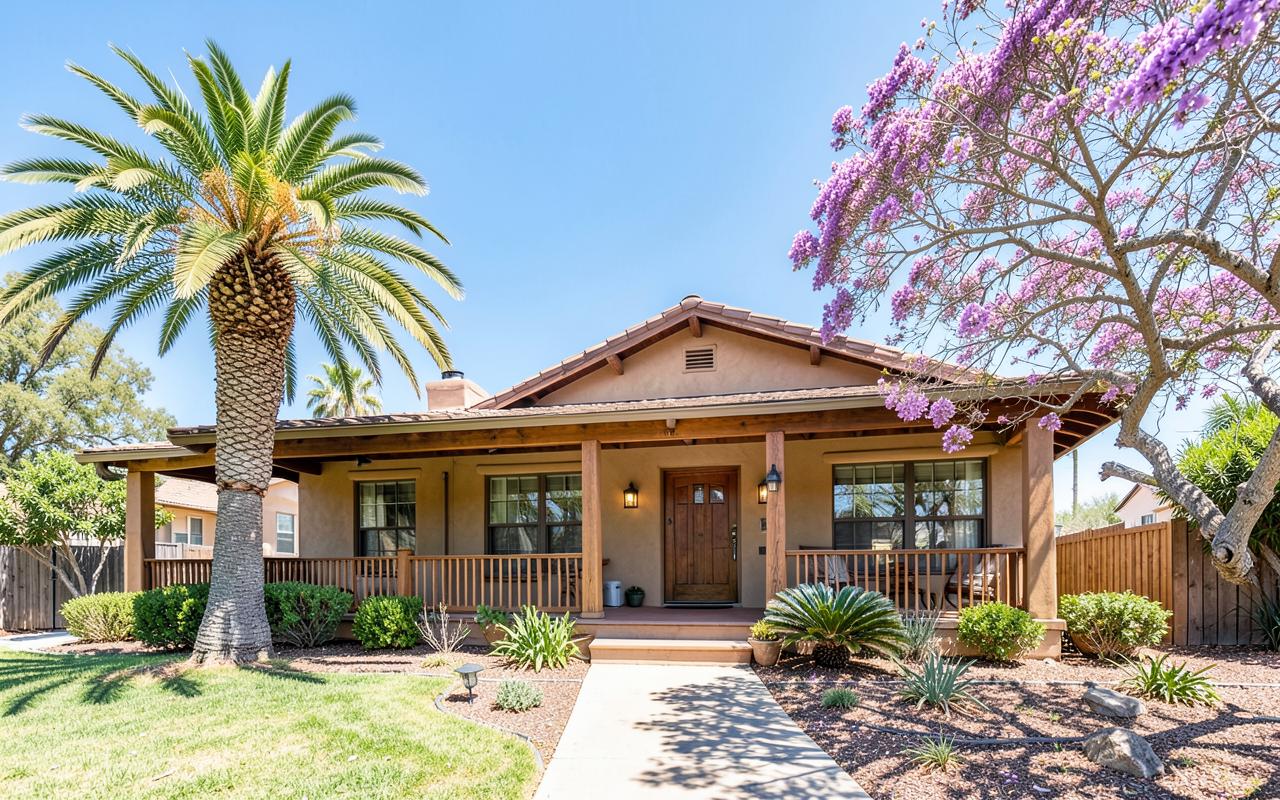
Sunlit Southern California craftsman bungalow with a wide front porch, representing an inherited or probate property

Selling an inherited or probate property in California

Inherited property brings a decision you didn't choose: keep it, rent it, fix it, or sell it — often with siblings, an estate attorney and a court calendar involved. A written review gives every heir the same set of numbers to talk about.

What usually has to be settled first

Who has legal authority to sell (executor, administrator, trustee), whether the estate is in probate or held in a trust, and whether all heirs agree on the direction. We can review a property before that is finished, but a sale can only close once authority is clear.

Why as-is matters here

Estate properties frequently carry deferred maintenance, personal belongings still inside, and no budget for repairs. We review the property in its current condition and put a scope and a number on it rather than asking heirs to fund work first.

What we look at

Condition and needed scope, comparable sales in the immediate area, the cost of the work a buyer would have to do, holding costs while an estate is open, and what an investor buyer would realistically pay after that work.

Common questions

Can I sell before probate is complete?
In many California estates a sale can be negotiated while probate is open, but closing depends on court authority and your attorney's guidance. We are not attorneys and don't give legal advice.
Do I have to clean it out or make repairs?
No. We review property in as-is condition, including belongings left behind.
What if the other heirs disagree?
A written review is still useful — it replaces guesswork with one shared set of numbers. Nothing is binding unless every authorized party signs.